We’re taking our meetings online.
We are using a range of online video options so please get in touch to have a chat.

Need expert advice?
Why not give us a call and see how we can help you with your project?
249-315-0775
We are using a range of online video options so please get in touch to have a chat.
Why not give us a call and see how we can help you with your project?
249-315-0775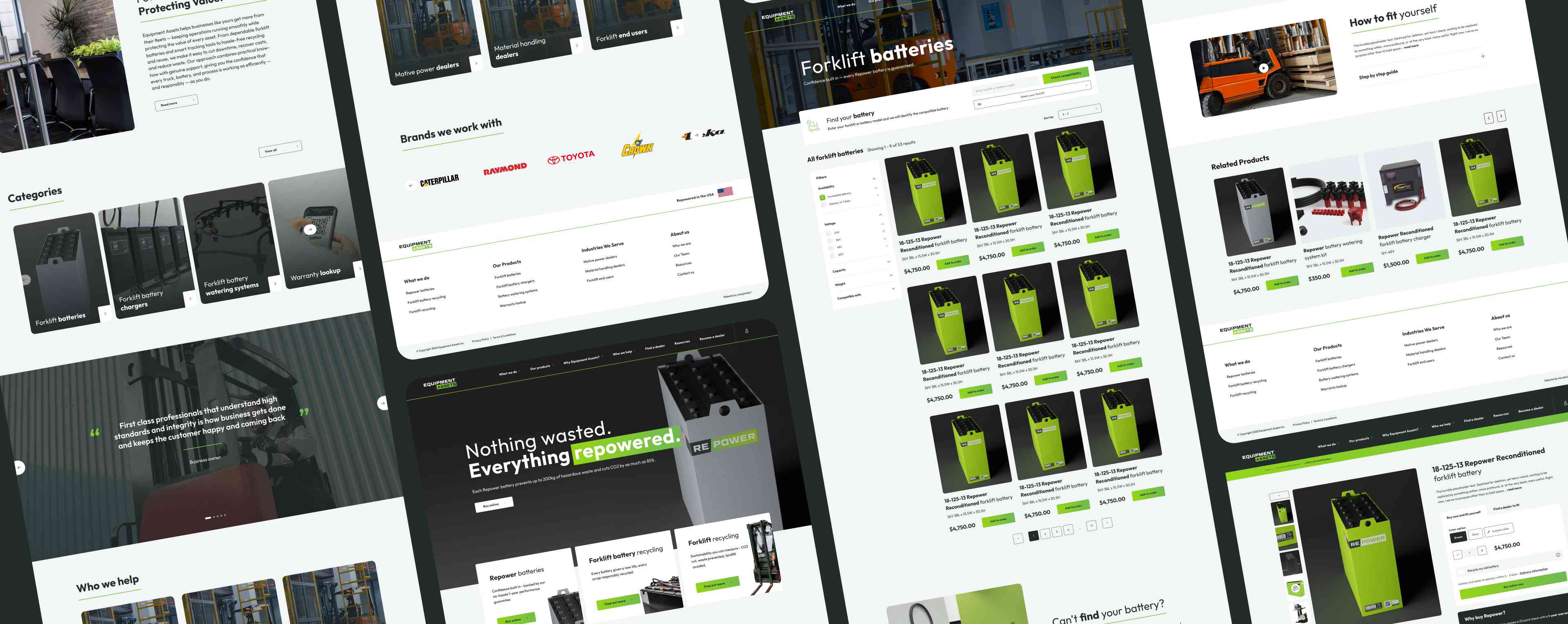
Strapline
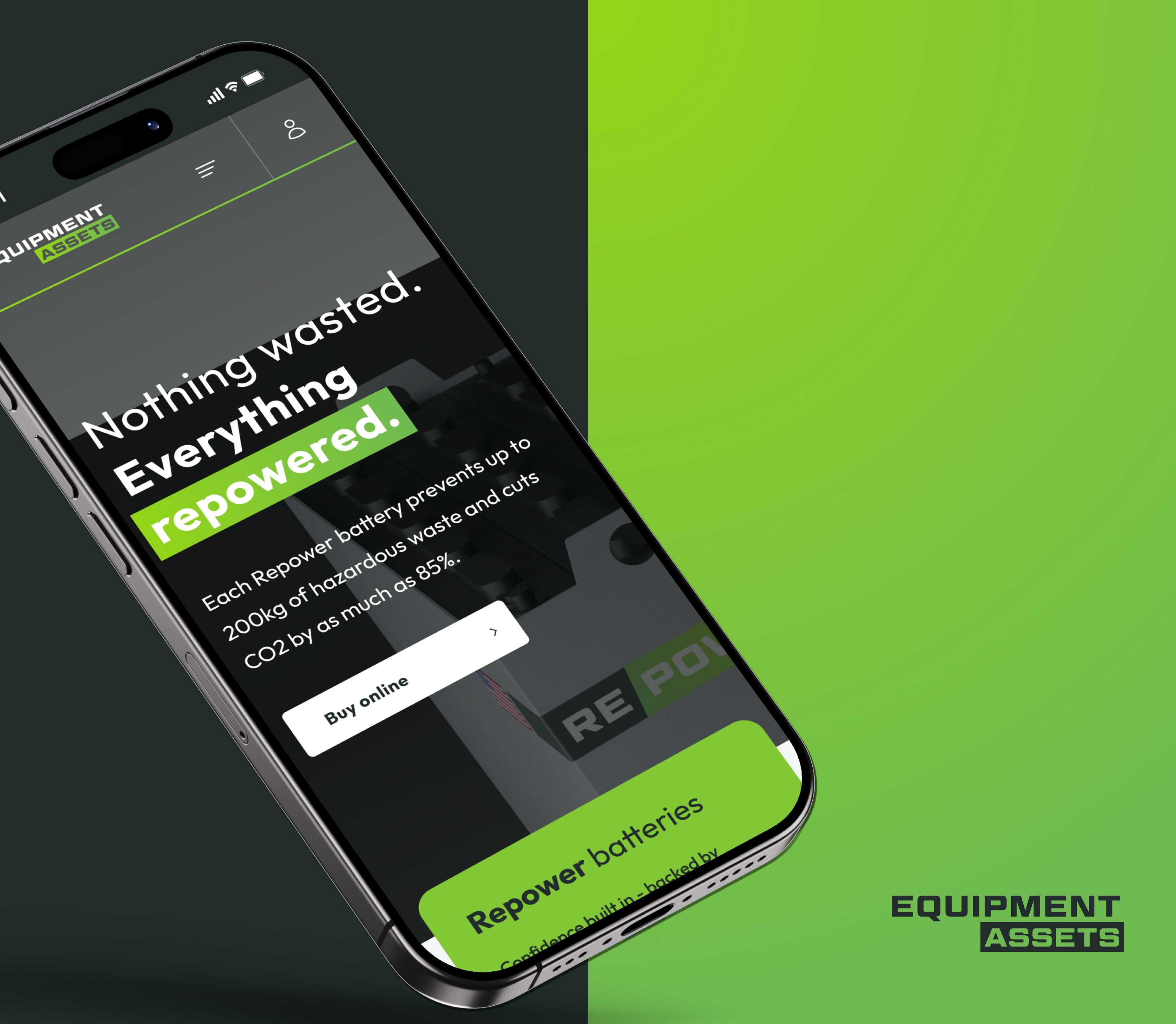
Equipment Assets, based in Troy, Michigan, asked us to help them take the next step in their digital evolution. Their business relied heavily on Salesforce, but their website and customer portal had not kept pace with the scale of their operations. They needed clarity on what to build, how it should work and how it could support both dealers and end users without adding complexity behind the scenes.
Equipment Assets reached a point where their next stage of growth required clearer systems, a stronger digital presence and a customer portal that could properly serve dealers and end users. Salesforce was already central to their operations, but the digital experience had not yet caught up. They needed clarity on what to build, how it should work and how it should integrate with Salesforce in a way that supported the business long term.
Work this project included
Before arriving on site, we carried out structured pre-work to understand how the business operated. We reviewed the existing website, digital assets and customer journeys, and mapped how Salesforce was being used across teams. This early research gave us a sense of critical data touchpoints and helped us design workshop sessions that focused on the areas that mattered most.
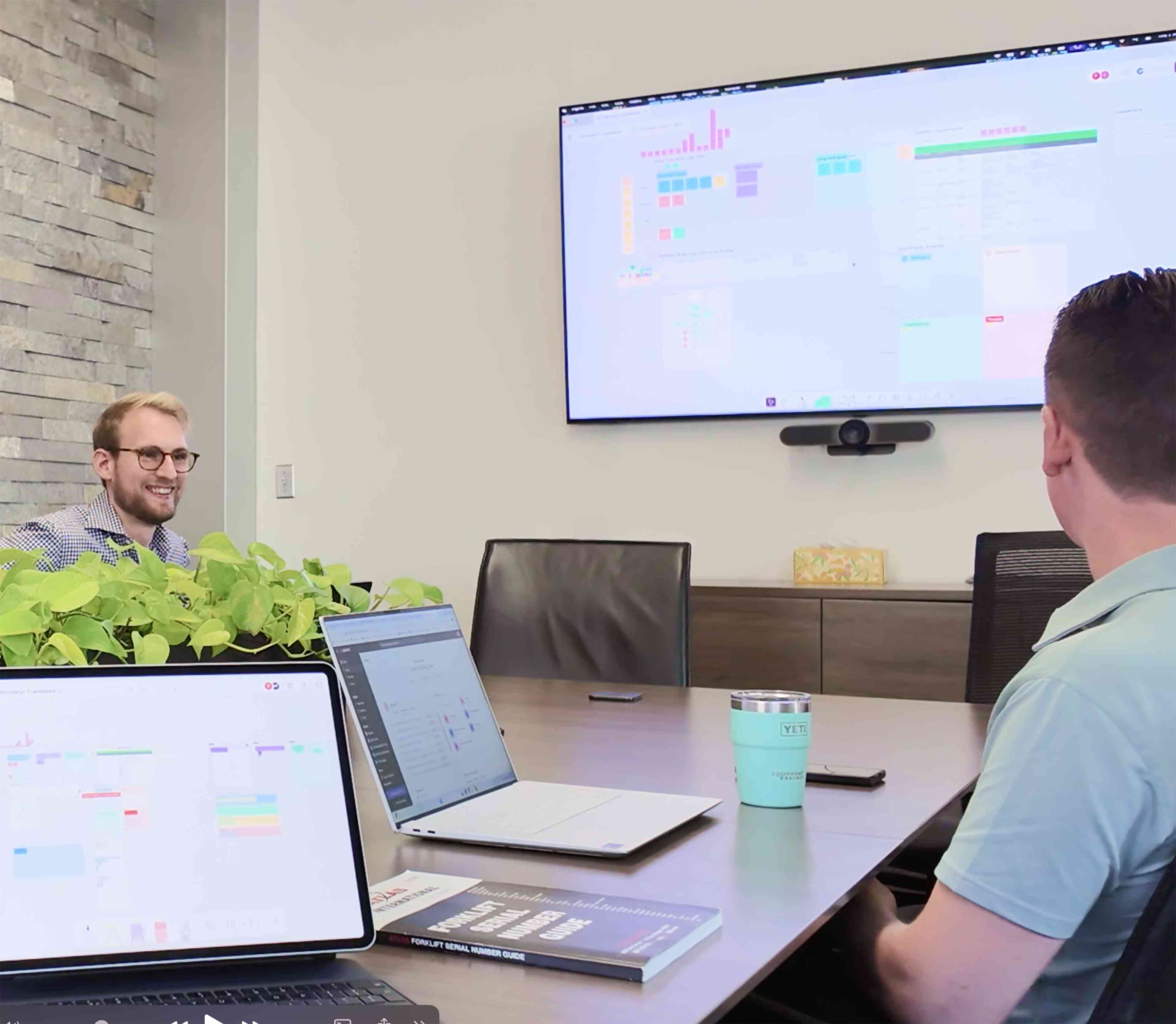
The heart of the discovery was a three-day workshop at Equipment Assets’ headquarters. We worked with leadership, operations, sales, administration and support teams to trace the full lifecycle of a job. Together we highlighted where processes slowed, where duplicated effort occurred and where disjointed systems were adding friction. We compared the needs of dealers and end users and identified where a customer portal could reduce manual work while improving the customer experience.
A major focus was understanding Salesforce as the operational backbone. Every future decision about the portal depended on knowing which system should own which data and how information should move between them. By the end of the workshop, teams across the business were aligned on priorities and the role the portal needed to play.
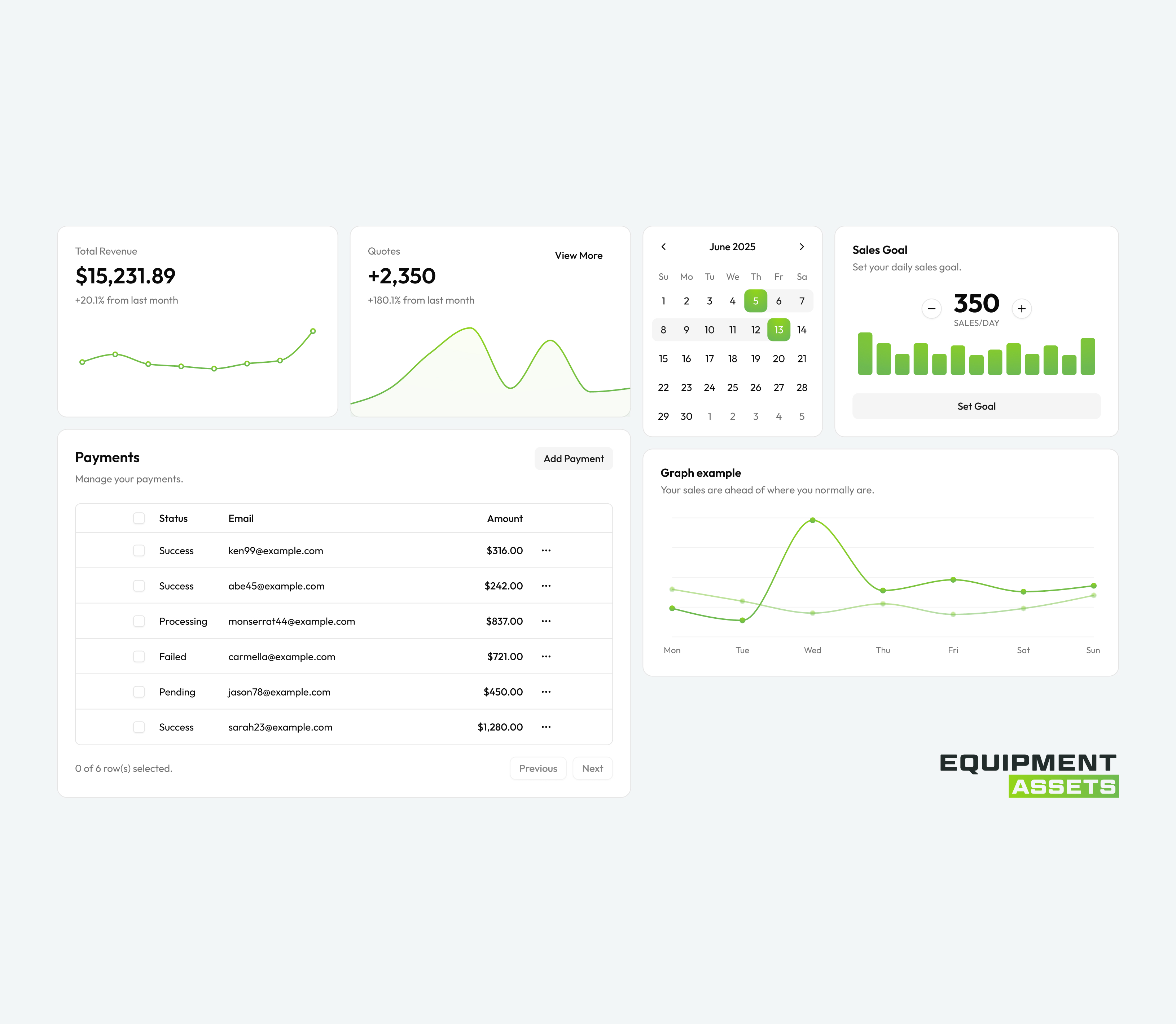
After the on-site sessions, we produced a comprehensive discovery document. This included a platform and integration strategy that set out the purpose of the portal, the audiences it would serve, the journeys it would support and the principles for integrating with Salesforce. We also outlined a phased approach that would deliver early wins while supporting long-term scalability.
We created a clear technical roadmap with milestones, dependencies and risks. The plan supports a staged rollout rather than a single large release, giving teams time to adopt new tools without disruption.
Alongside the technical recommendations, we developed a digital marketing strategy designed to strengthen Equipment Assets’ position online. This included search guidance, messaging frameworks for key audiences, content recommendations and early direction for how the customer portal could contribute to lead generation.
We delivered initial creative direction covering visual style, brand clarity, narrative structure and UX considerations. This helped establish a cohesive digital identity ahead of design and development.
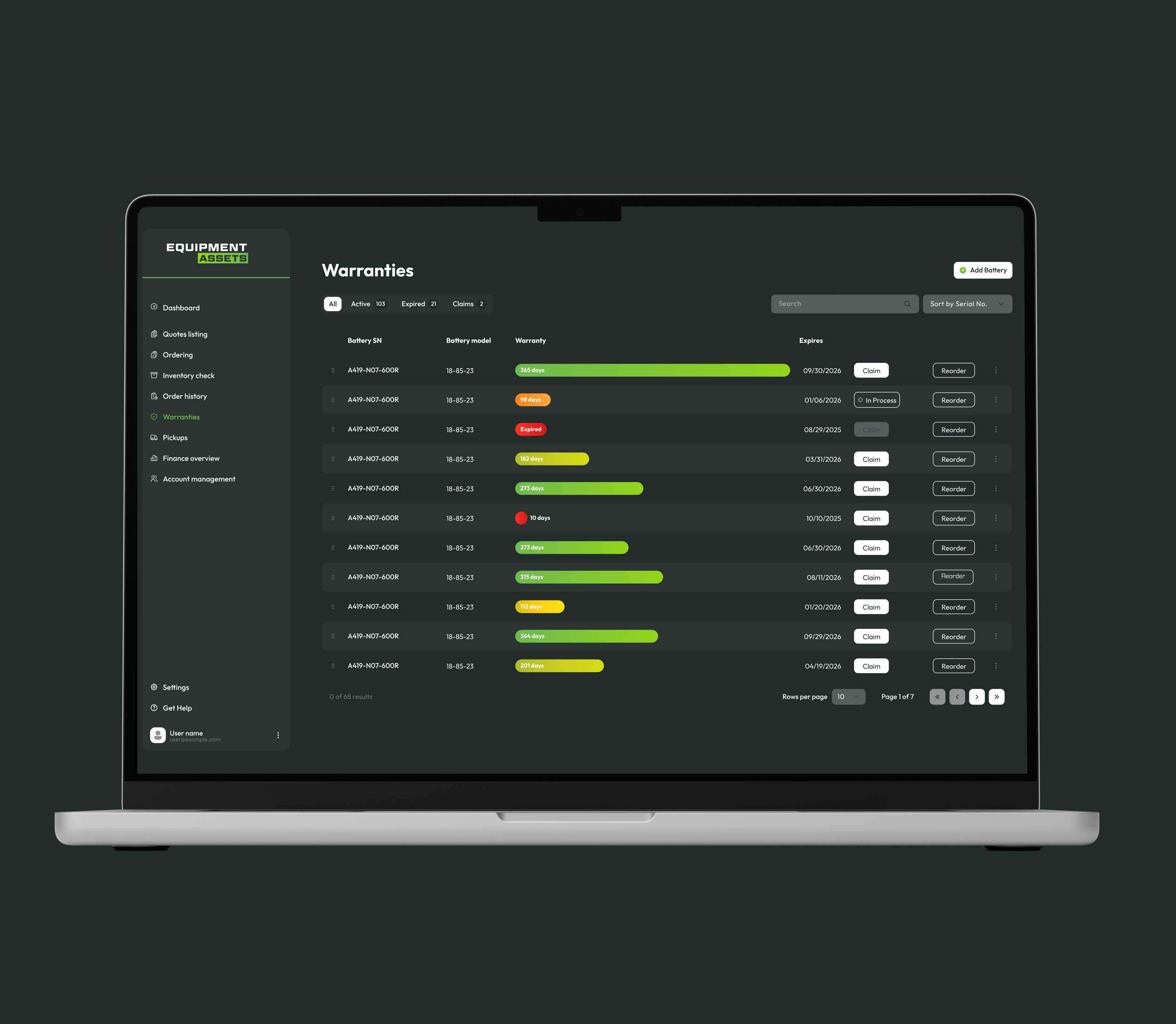
Equipment Assets left the discovery with a well-defined specification and API integration approach for their customer portal, internal alignment on its purpose, a marketing direction that matched their growth plans and a clear path into development. This allows them to move forward with confidence and without guesswork.
A Salesforce-integrated portal touches every part of a business. Without structured discovery, organisations risk overscoping or underscoping features, missing essential integration needs, recreating process issues and creating technical debt early. The result is wasted budget and platforms that do not support real-world workflows.
morphsites’ discovery process gives organisations clarity, alignment and a plan built on evidence rather than assumption. If you are considering a customer portal, a Salesforce integration or a wider modernisation project, we can help you define the right solution before development begins.
© 2026 morphsites Ltd. All rights reserved E&OE. Registered in England no. 07116238. The ‘morphsites’ wordmark and butterfly device are registered trademarks of morphsites Ltd.